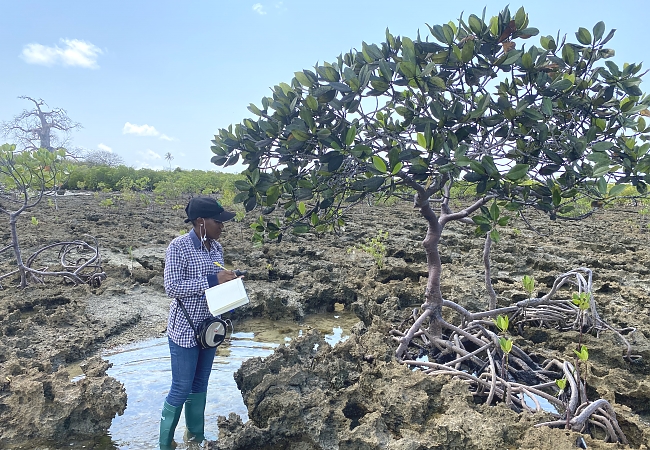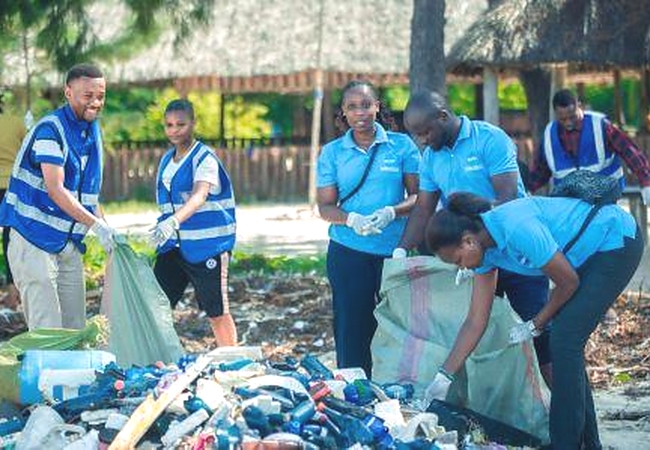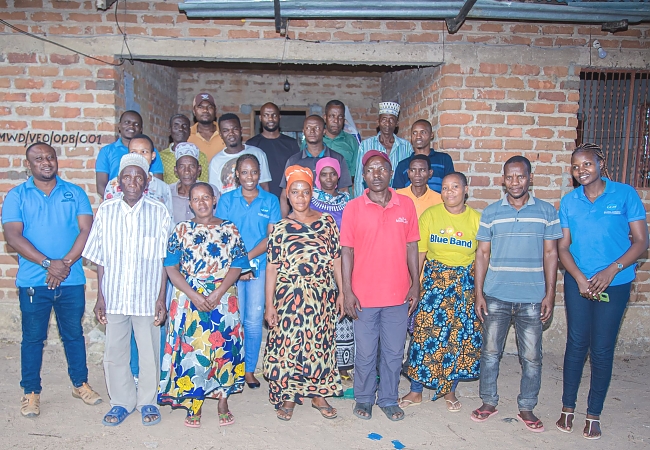

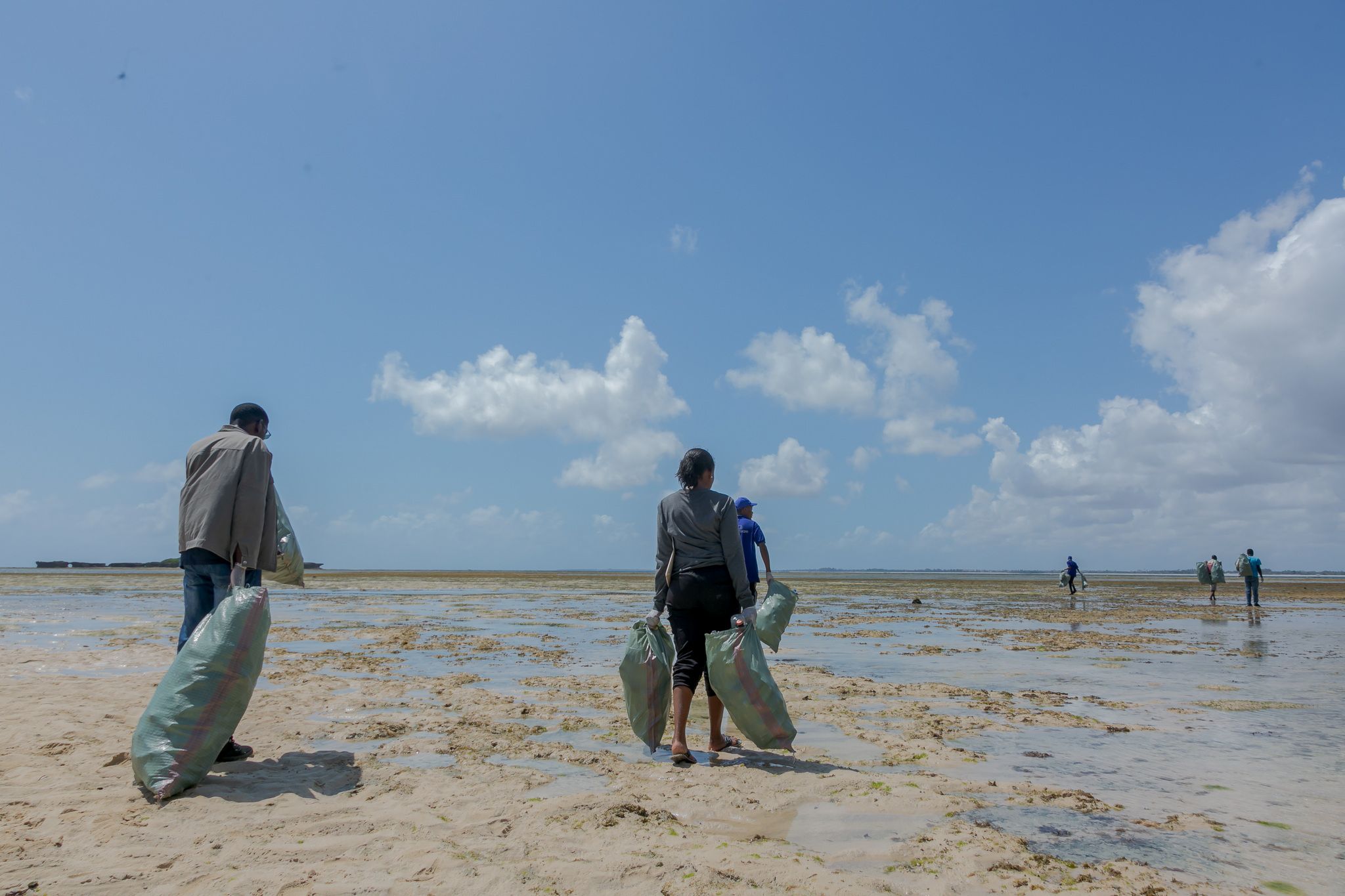
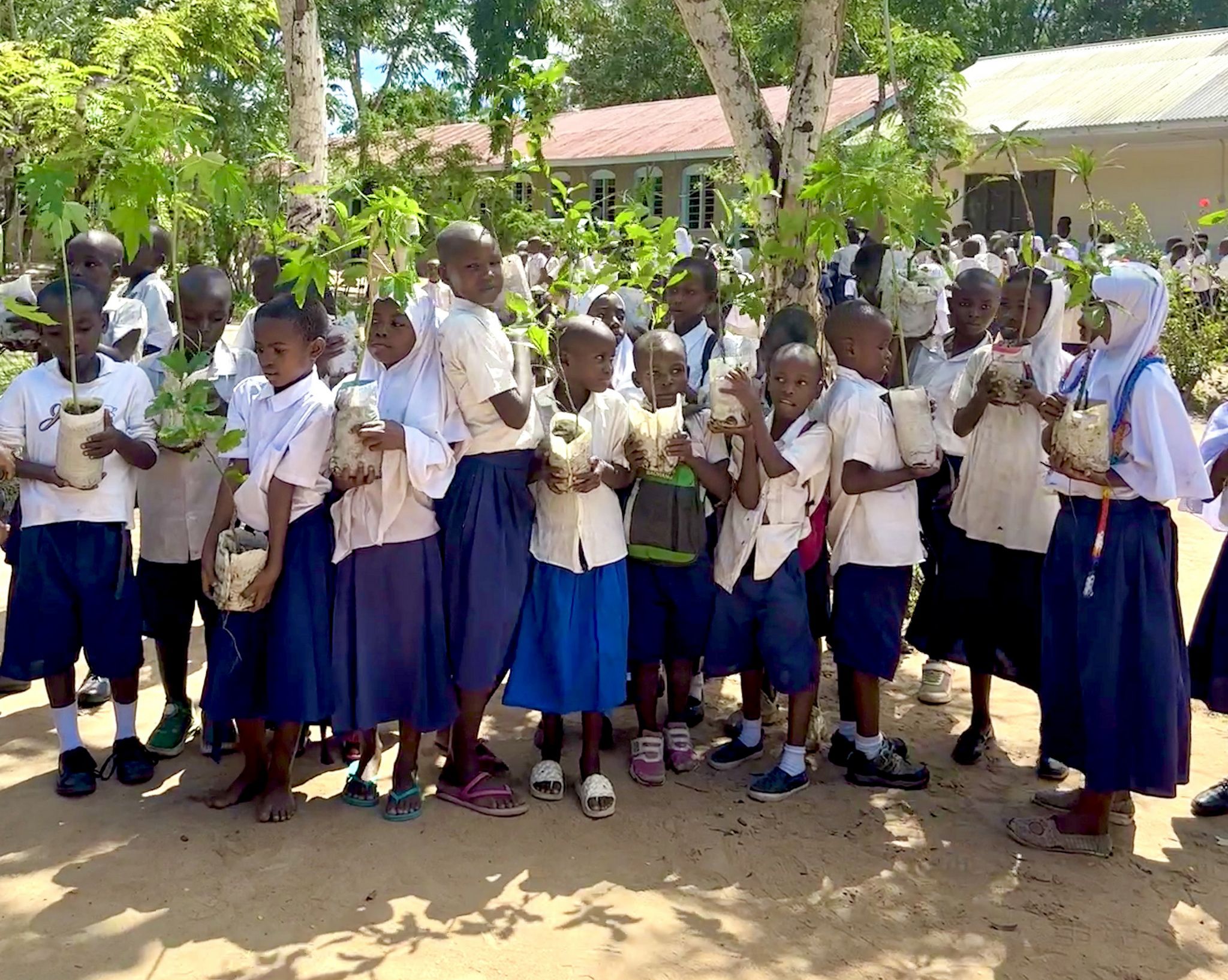
Edu-Green stands for “Educating for a Greener Future” it’s a program, a transformative initiative aimed at pre and primary school children aged 9–12 years. The program is designed to cultivate environmental awareness, instill sustainable practices, and foster a strong sense of responsibility toward the natural world from an early age. By engaging children during formative years, Edu Green aims to develop a generation of environmentally conscious individuals who will serve as long-term stewards of their local ecosystems.
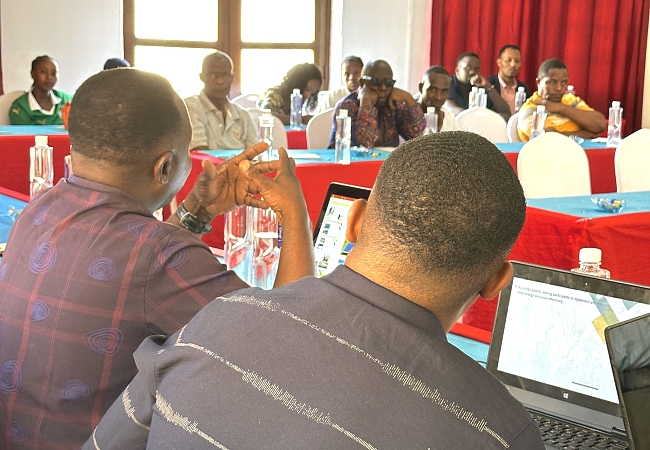
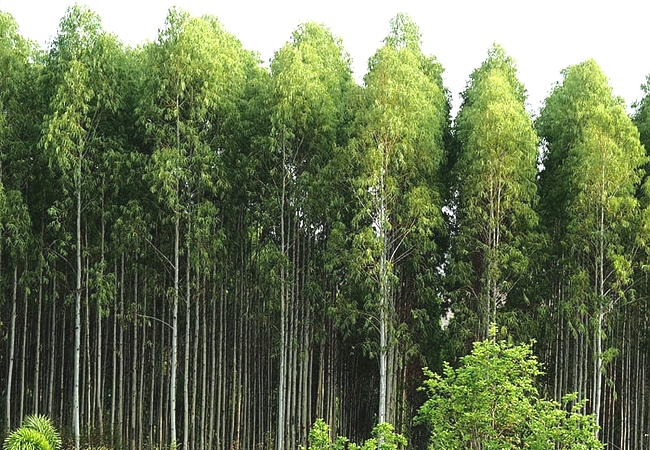
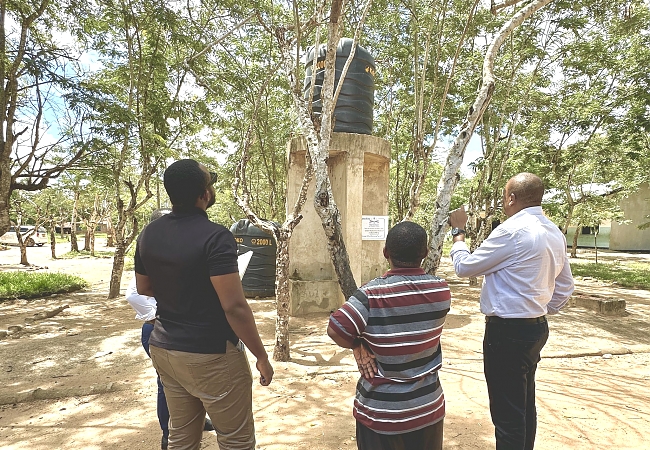
The Edu-Green program integrates practical conservation activities, including tree planting, establishment of school nurseries, and hands-on environmental experiences, with educational workshops on climate change, sustainable agriculture, clean energy, and waste management. Through these activities, children will learn about the causes and effects of climate change, the importance of reforestation, and the role of sustainable practices in mitigating environmental impacts. The program also encourages children to plant trees during special occasions, such as birthdays or graduations, fostering lifelong care for the environment and reinforcing the connection between personal growth and ecological stewardship.
In addition to environmental education, the program promotes social engagement through interactive events, eco-friendly competitions, and collaborative learning activities that build leadership, teamwork, and community awareness. By focusing on schools in regions heavily affected by environmental degradation including Morogoro, Pwani (Bagamoyo), and Lindi Edu Green addresses the loss of green spaces, improves school nutrition through fruit tree planting, and strengthens local ecosystems.
The initiative aligns with national and global sustainability priorities, including Tanzania’s National Environmental Policy and the United Nations Sustainable Development Goals (SDGs), particularly SDG 4 (Quality Education), SDG 13 (Climate Action), and SDG 15 (Life on Land).